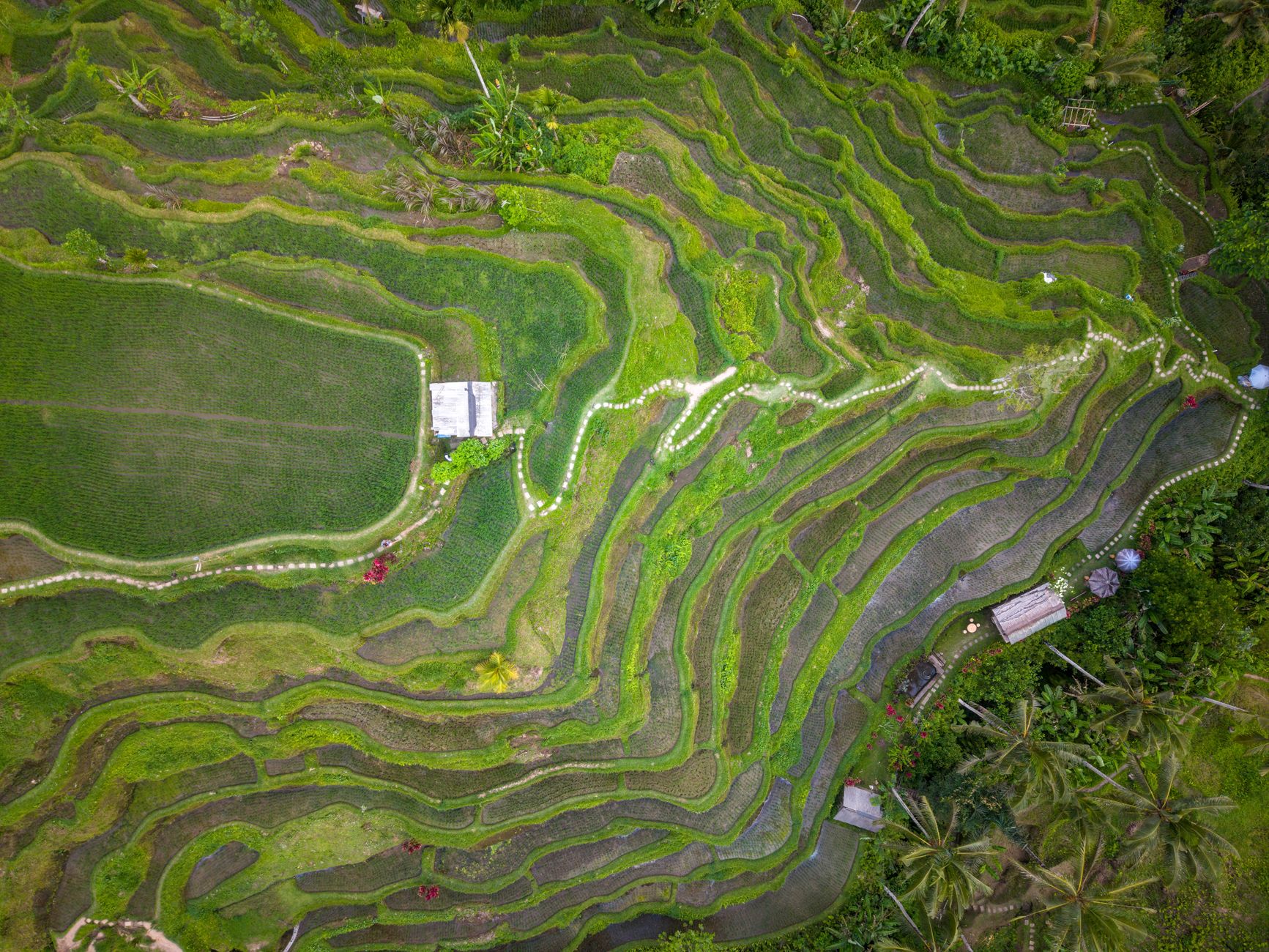
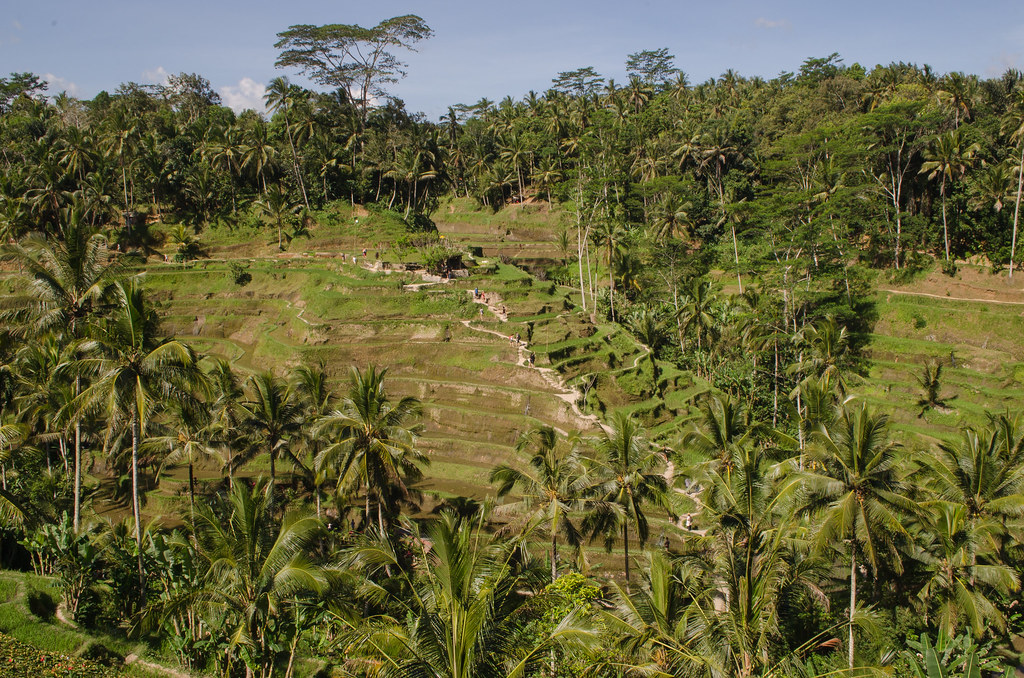
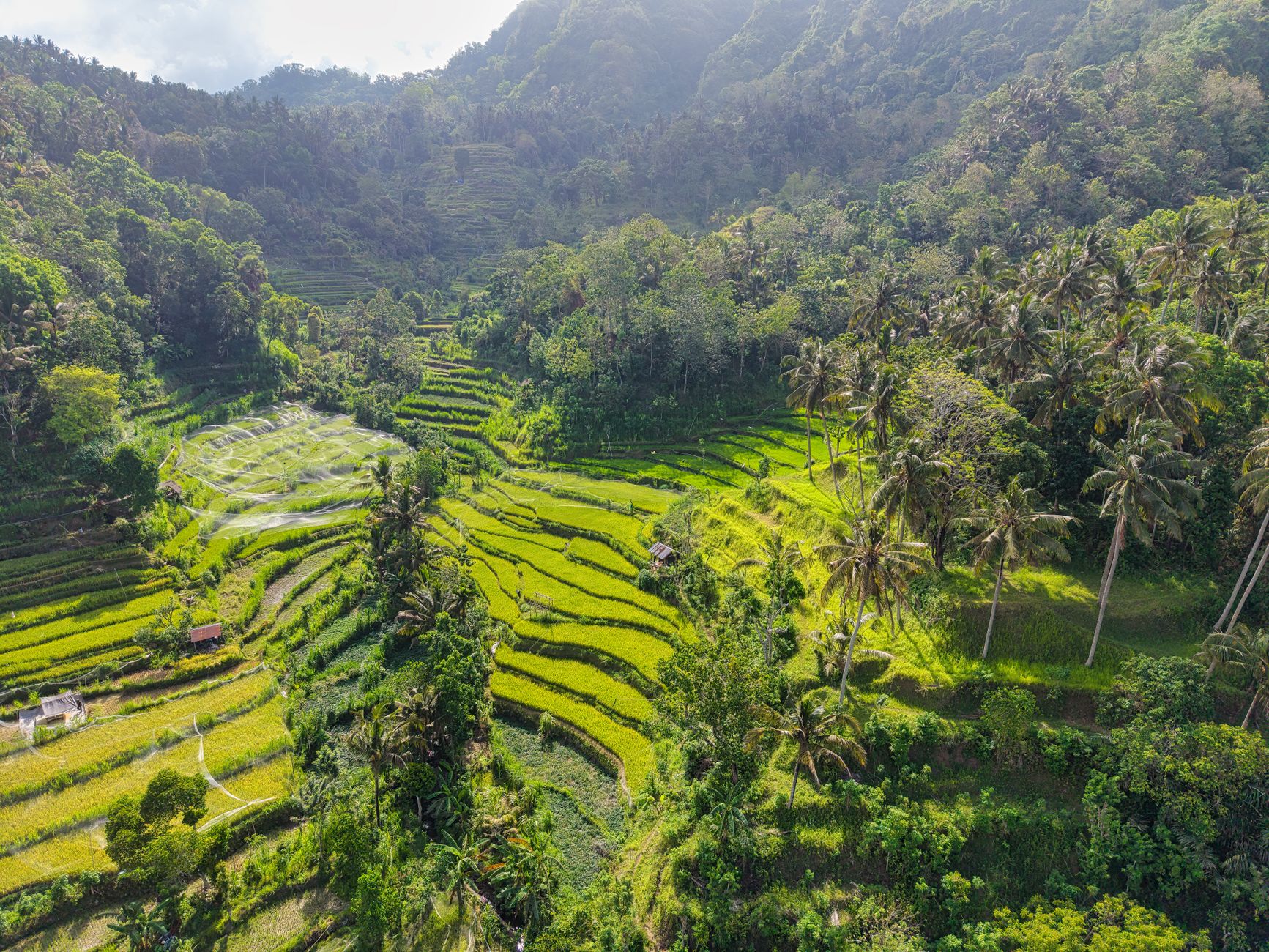
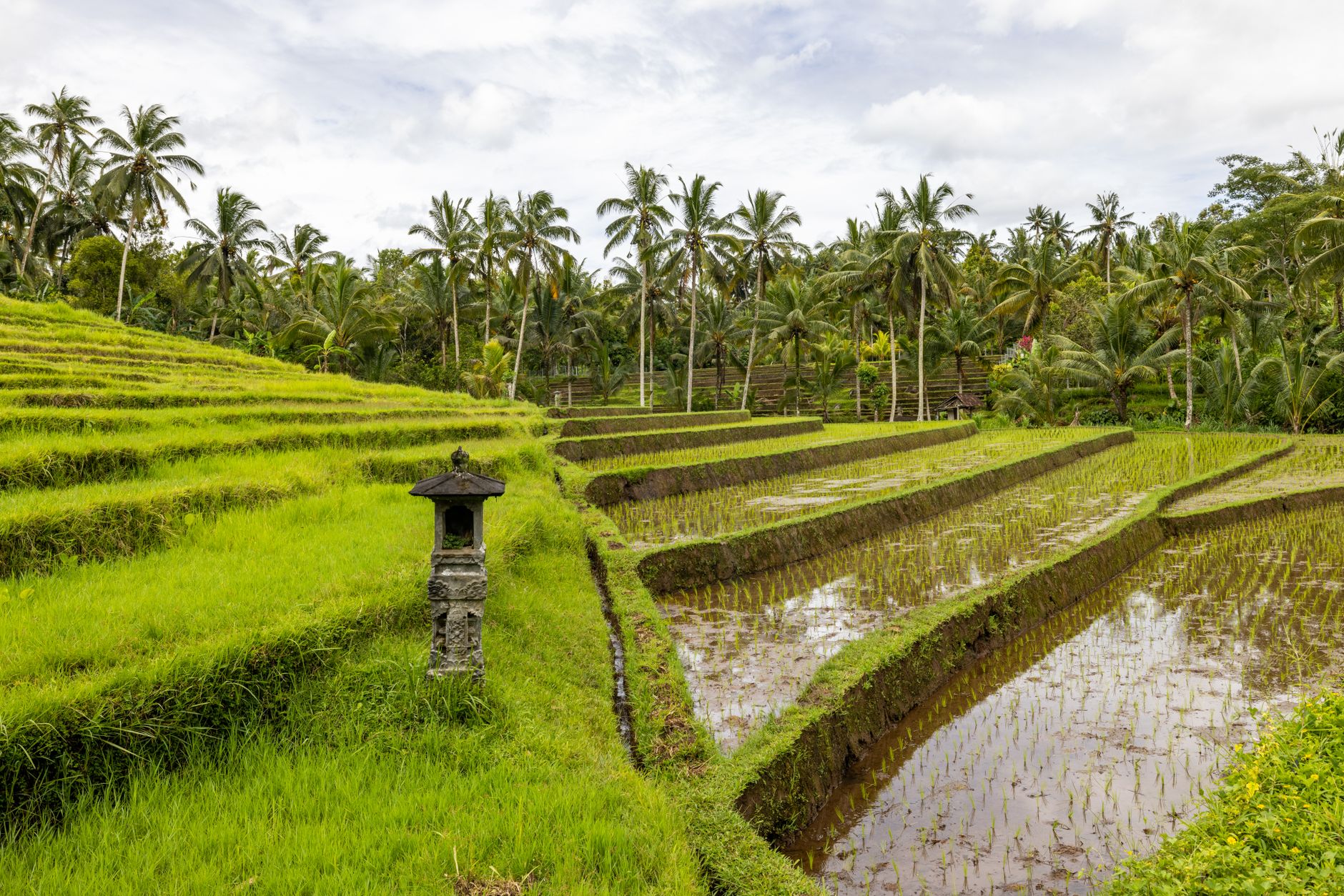
The breathtaking beauty of Bali's stepped rice terraces is not an accident of nature, nor the creation of modern landscaping. It is the tangible manifestation of Subak, a self-governing, egalitarian socio-religious water management institution documented in Balinese royal stone inscriptions dating back to 882 CE (the Sukawana and Trunyan copper charters).
At its core, Subak embodies the Balinese philosophical framework of Tri Hita Karana ("The Three Causes of Well-being"), which asserts that spiritual peace and communal harmony can only be achieved when three realms remain in perfect equilibrium:
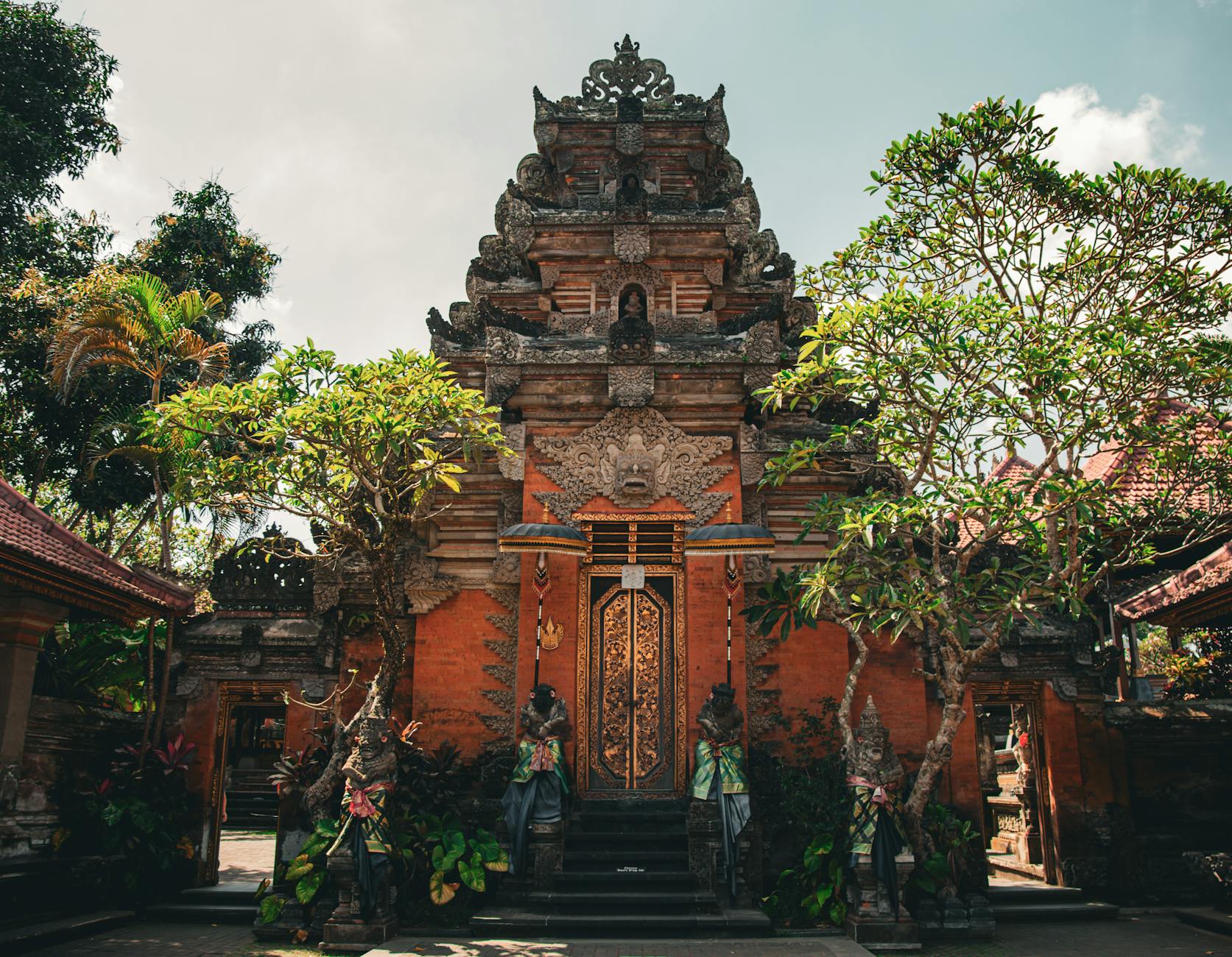
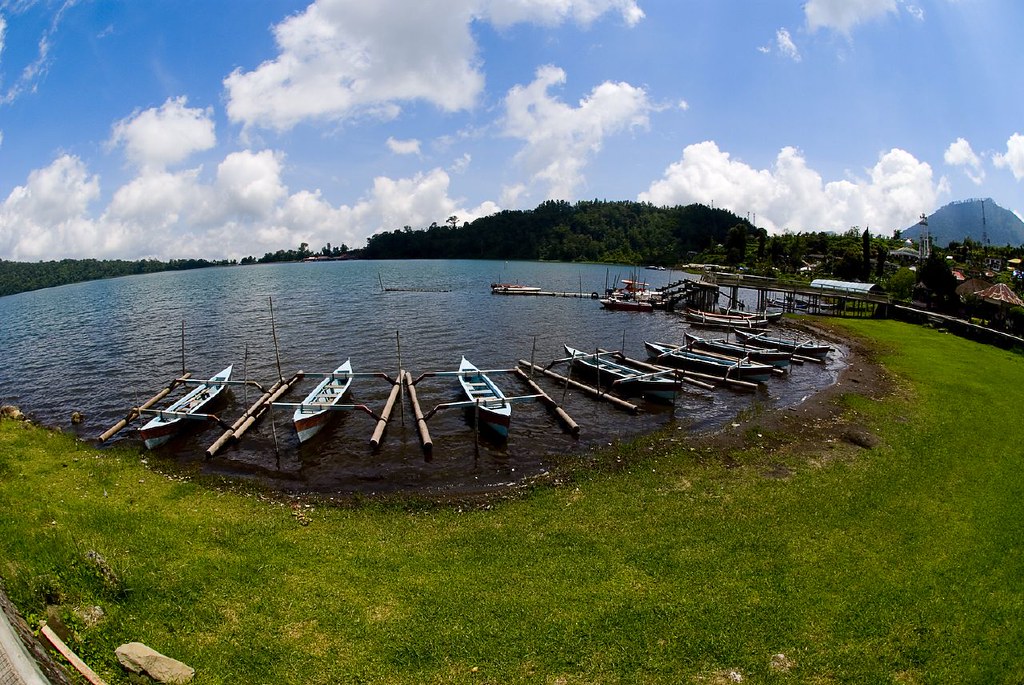
- Parahyangan: Harmony between humanity and the Divine, expressed through rituals at sacred water temples (Pura Ulun Danu) and field shrines (Ulun Swi).
- Pawongan: Harmony among human beings, manifested in the democratic, egalitarian voting structure where every farmer—regardless of landholding size or caste—holds an equal vote in water allocation and canal maintenance duties.
- Palemahan: Harmony between humanity and nature, maintained through synchronized planting cycles, biological pest control, organic fertilization, and strict prohibitions against water hoarding.
Gravity-Flow Hydraulic Engineering
Balinese volcanic soil is extraordinarily fertile, but the island's terrain is characterized by deeply incised ravines and fractured volcanic ridges. To irrigate vertical terraces without electric pumps, ancient Balinese engineers developed an intricate network of gravity-flow channels: weirs (empelan), bamboo aqueducts, and hand-carved stone tunnels (aungan) stretching for kilometers through solid volcanic tuff cliffs.
At the apex of each terrace block stands a distribution structure called a Temuku. This hand-carved wooden or stone weir divides the main water stream into precisely proportioned feeder channels based on the surface area of each sub-block. The system ensures that downstream farmers receive their exact water allocation before water flows into lower tiers. In times of drought, water rotation schedules (giliran) are enacted through unanimous cooperative council decisions.
Experience Living Subak with a Local Agricultural Guide
Walking the terraces alongside a licensed Balinese heritage guide illuminates the spiritual meanings behind field offerings, water division stone gates, and heirloom red rice harvesting.
Book 5.0★ Rated Guided Subak Tour →The Ecological Genius of Synchronized Fallowing
Modern industrial agriculture relies heavily on chemical pesticides, but the ancient Subak system controls insect infestations and fungal blights through synchronized cropping cycles. Under the guidance of water temple high priests at Pura Ulun Danu Batur and Pura Ulun Danu Bratan, dozens of contiguous subaks coordinate their planting and harvesting dates simultaneously.
When an entire valley harvests at the same time and subsequently floods all terraces simultaneously, the insect pests (such as the brown planthopper) are starved of food across thousands of hectares, effectively breaking pest life cycles without chemical intervention. Ducks are then herded into the flooded paddies to forage on weeds and snails while naturally fertilizing the volcanic soil.